Maintenance Alert Scheduling That Builds Recurring Revenue.
Automate preventive maintenance reminders for equipment, vehicles, properties, and systems. Create recurring revenue streams by reducing emergency repairs with scheduled SMS alerts.
Build Predictable Revenue with Automated Maintenance Alerts
What is Maintenance Alert Scheduling?
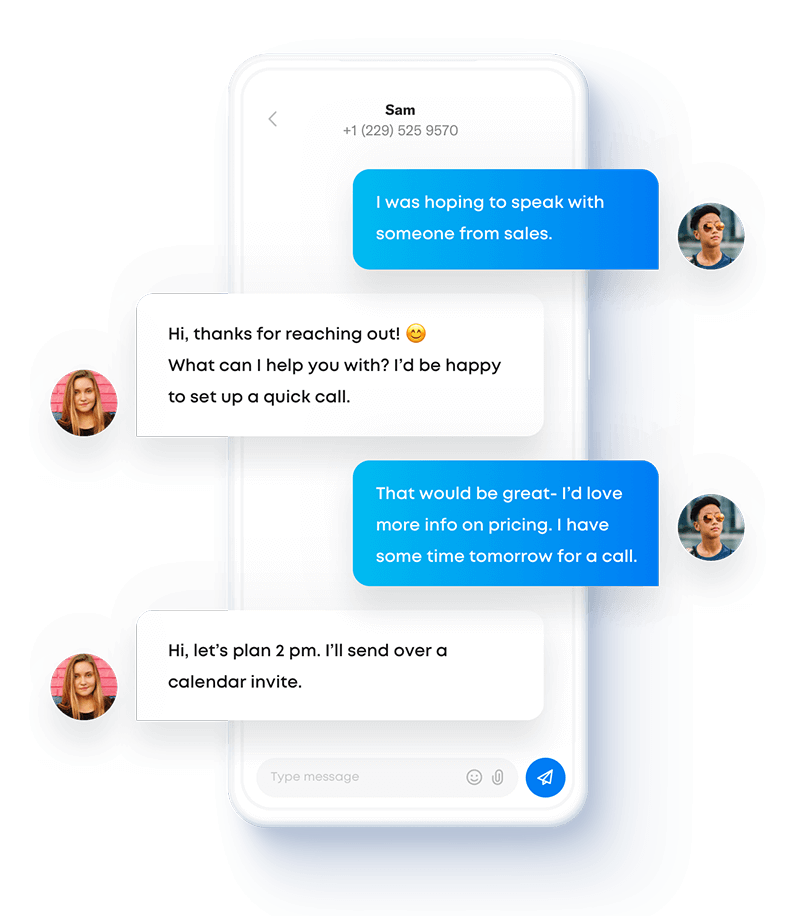
Maintenance alert scheduling automatically reminds your customers when their equipment needs routine service. These scheduled SMS alerts convert one-time repair jobs into recurring maintenance relationships that generate consistent revenue.
Why Service Businesses Need Maintenance Alert Scheduling
Emergency repair work is unpredictable and hard to staff efficiently. Maintenance contracts create steady cash flow and let you plan schedules months in advance. Most customers want preventive service but forget to call until something breaks. Maintenance alert scheduling solves this by automating customer reminders. Benefits include:
- Predictable monthly revenue from recurring maintenance contracts
- Higher customer lifetime value through ongoing relationships
- Better schedule optimization with advance bookings
- Reduced slow-season revenue gaps
- Lower customer acquisition costs from repeat business
Maximize Customer Value
Maintenance customers spend 3-5x more over their lifetime than one-time repair customers. Regular touchpoints create opportunities for upgrades, add-ons, and referrals.
Convert Repairs to Contracts
After completing a repair job, automatically enroll customers in maintenance reminders. They become recurring customers instead of disappearing until the next breakdown.
Fill Your Schedule in Advance
Book maintenance appointments weeks or months ahead instead of scrambling to fill daily schedules. Automated alerts give customers advance notice, making them more likely to commit.
Start Your Free Trial Today
No commitments. No credit card required.
How Maintenance Alert Scheduling Works
Automate Customer Maintenance Reminders
HVAC contractors send automatic tune-up reminders every spring and fall, booking hundreds of appointments before peak season hits. Plumbing companies alert commercial clients 30 days before quarterly drain cleaning is due, maintaining steady contract revenue. Pest control services automate treatment reminders that keep recurring customers on schedule. Property maintenance companies send seasonal service alerts to property managers, filling crews during traditionally slow months.
The system tracks each customer's service history and automatically schedules their next maintenance alert based on your recommended intervals. When a customer completes service, the next reminder queues automatically. When someone doesn't book, follow-up alerts keep your business top-of-mind until they're ready.
Sakari's maintenance alert scheduling supports:
- Seasonal reminders (spring AC prep, fall heating checks)
- Interval-based alerts (quarterly, semi-annual, annual)
- Multi-step reminder sequences that increase urgency
- Automatic enrollment after completing repair jobs
Create Service Packages That Sell Themselves
Package maintenance services into plans customers can subscribe to, then use maintenance alert scheduling to automate the entire customer journey. Twice-yearly HVAC tune-ups become an annual contract. Quarterly pest treatments turn into predictable subscription revenue. Monthly pool service converts to autopay maintenance plans.
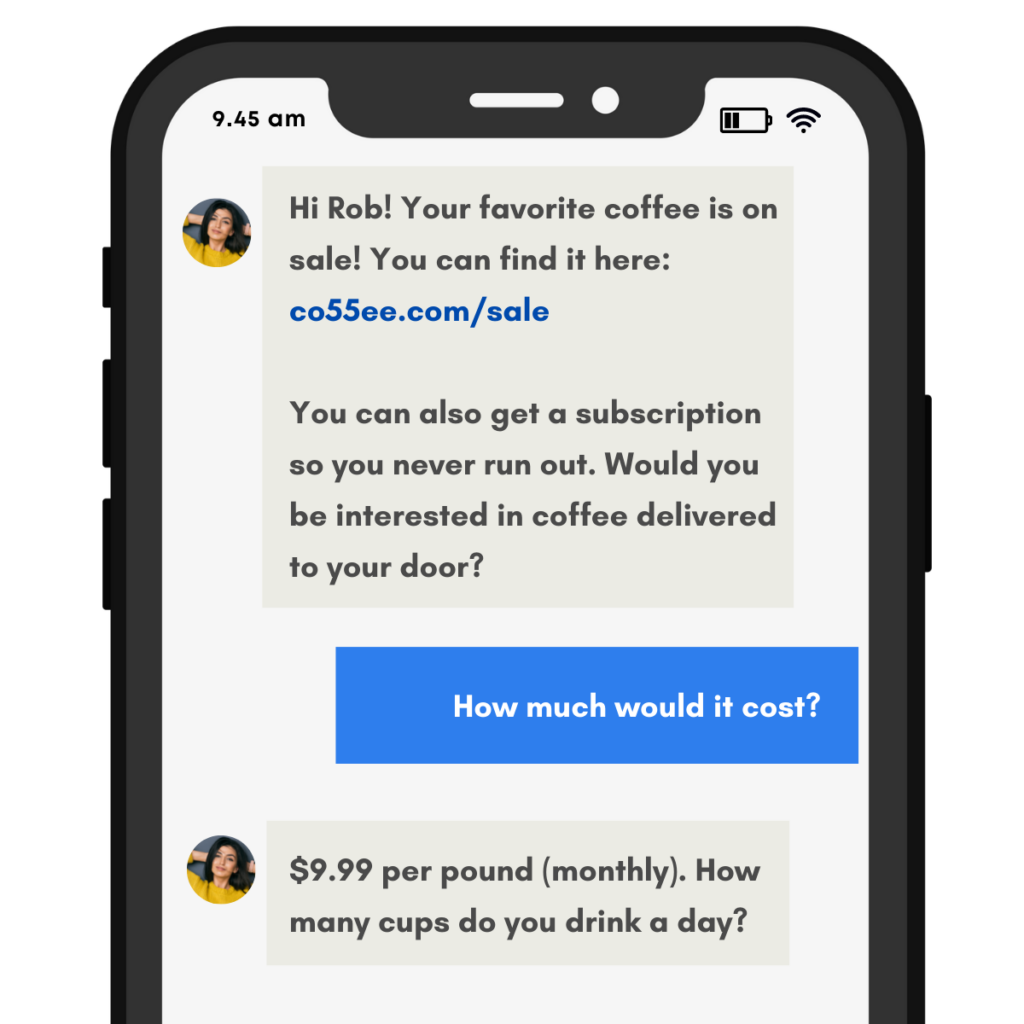
Send reminders that emphasize value and convenience: "Your spring AC tune-up is due. Contract members save 20% and get priority scheduling." Make booking frictionless with one-tap scheduling links. When customers respond, your calendar fills automatically and you've secured revenue months in advance.
Build maintenance packages with:
- Contract member pricing in reminder messages
- Priority scheduling for maintenance plan customers
- Automatic renewal reminders before contracts expire
- Upsell opportunities in maintenance communications
Connect Your Contacts
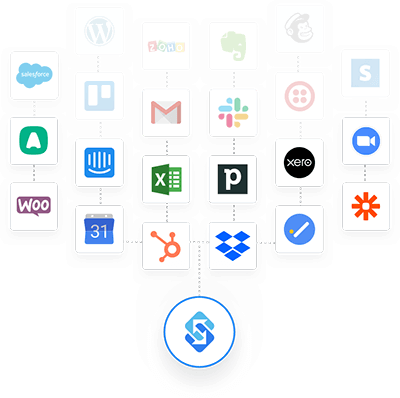
Track two-way SMS directly inside your favorite business systems by syncing your contacts with one of our integrations.
Connect HubSpot, Pipedrive, Intercom, Google, Zapier, Aircall and over 1,500 other apps to help you get the most out of Sakari.
Maintenance Alert Scheduling Features
Everything you need to build recurring service revenue through automated customer reminders.
SMS Campaigns
Pre-schedule text messages and SMS marketing campaigns for a certain date and time.
SMS Autoresponders
Setup SMS autoresponders when specific keywords are sent to your phone numbers.
CSV Imports
Use our CSV imports to add and edit contacts, create lists, and send messaging campaigns.
Phone Number Groups
Assign users to specific phone number groups to help distinguish your team channels.
Messaging Templates
SMS templates let you create a message once and then reuse it with just a click of a button.
Alphanumeric Sender IDs
Outside of North America, send text messages from your existing Brand name using alphanumeric sender IDs.
Email to SMS
Receive text messages as emails, and reply to them from your email, with your replies being sent as text messages.
Landline Enablement
Send and receive text messages from your existing business landline or VOIP phone number.
Scheduled Messages
Schedule your 1:1 and messaging campaigns for future delivery at just the right time.
Check Out Sakari's Pricing Plans
Multiple pricing options for your business teams.
Hear It From Our Customers
Maintenance Alert Scheduling FAQs
How do maintenance alerts help build recurring revenue?
Maintenance alert scheduling converts one-time customers into recurring revenue streams. When you automate reminders for seasonal tune-ups, quarterly inspections, or annual service, customers book regularly instead of only calling during emergencies. This creates predictable monthly revenue you can forecast and staff accordingly.
Most service businesses see 40-60% of customers who receive maintenance alerts convert to scheduled appointments. Over time, these customers spend 3-5x more than one-time repair customers because they maintain ongoing relationships with your business.
When should I send maintenance alerts to customers?
Start alerts 30-60 days before service is due for seasonal maintenance. This gives customers time to budget and schedule during convenient windows. For example, send spring AC tune-up reminders in February or March, before cooling season starts and your schedule fills with emergency calls.
For ongoing maintenance contracts (quarterly pest control, monthly pool service), send reminders 14 days before the next service date. This balances advance notice with recency, preventing customers from forgetting while giving them time to adjust schedules if needed.
What should maintenance reminder messages say?
Effective maintenance alerts specify what's due, why it matters, and make booking easy. Focus on customer benefits rather than just listing services. Instead of "Time for your annual HVAC service," try "Your AC tune-up is due. Regular maintenance prevents breakdowns during summer heat and lowers energy bills. Book now: [link]."
Include specific value propositions: priority scheduling for contract members, discounted pricing, warranty protection requirements, or seasonal preparation messaging. Make the call-to-action crystal clear with direct booking links.
How do I enroll customers in maintenance alert schedules?
The easiest approach: automatically add customers to maintenance schedules after completing installation or repair jobs. When you install a new HVAC system, enroll them in twice-yearly tune-up reminders. After a major plumbing repair, add them to annual inspection alerts. This happens automatically through your field service integration without manual data entry.
You can also manually enroll existing customers by importing contact lists with their equipment details and last service dates. The system calculates when their next maintenance is due and begins sending reminders accordingly.
What if customers ignore maintenance alerts?
Build multi-step sequences that increase urgency without being pushy. First reminder at 60 days: "Spring tune-up season approaching." Second reminder at 30 days: "Schedule before peak season—we're booking fast." Final reminder at 14 days: "Last chance for pre-season rates."
Track which customers consistently ignore alerts. Some people prefer reactive service despite the risks and costs. Focus your energy on the 40-60% who respond positively rather than chasing the minority who won't engage. You can always downgrade persistent non-responders to annual alerts instead of quarterly.
Try Sakari for free.
100% Free trial · Easy setup · No credit card required