The debate about RCS (Rich Communication Services) versus SMS marketing effectiveness misses the most important question: which channel actually helps your business book more jobs, fill more appointments, and reduce no-shows this quarter?
Most comparison articles focus on features. RCS supports images, videos, and interactive buttons. SMS is limited to 160 characters. Great, but none of that matters if half your customers can't receive RCS messages or if those fancy features don't actually improve your conversion rates.
This guide provides a practical decision framework based on your business type, customer base, implementation capacity, and actual effectiveness metrics. You'll learn when SMS remains the smarter choice, when RCS might make sense, and how to make this decision based on business results rather than marketing hype.
The Customer Base Reality Check
Before evaluating RCS vs. SMS marketing effectiveness, audit what phones your customers actually use. This single factor determines whether RCS is even viable for your business.
RCS only works on Android devices with carrier support and the Google Messages app. Your customers with iPhones will never receive your RCS messages. They'll fall back to SMS, which means you're managing two message formats and testing two experiences for every campaign.
Run these numbers for your business. Look at your customer database and segment by what you know about device usage. National averages show roughly 55% Android and 45% iPhone market share, but your specific market varies significantly by region, age demographic, and income level.
A dental practice in an affluent suburb might serve 60% iPhone users. An HVAC company in a working-class area might reach 70% Android customers. The difference determines whether RCS fragmentation is a minor inconvenience or a major operational problem.
Here's what this means practically. If 40-50% of your customers use iPhones, every RCS campaign requires SMS fallback design. You can't build interactive appointment booking flows that rely on RCS buttons because half your customers won't see them. You're essentially running two parallel campaigns, doubling your testing and optimization work.
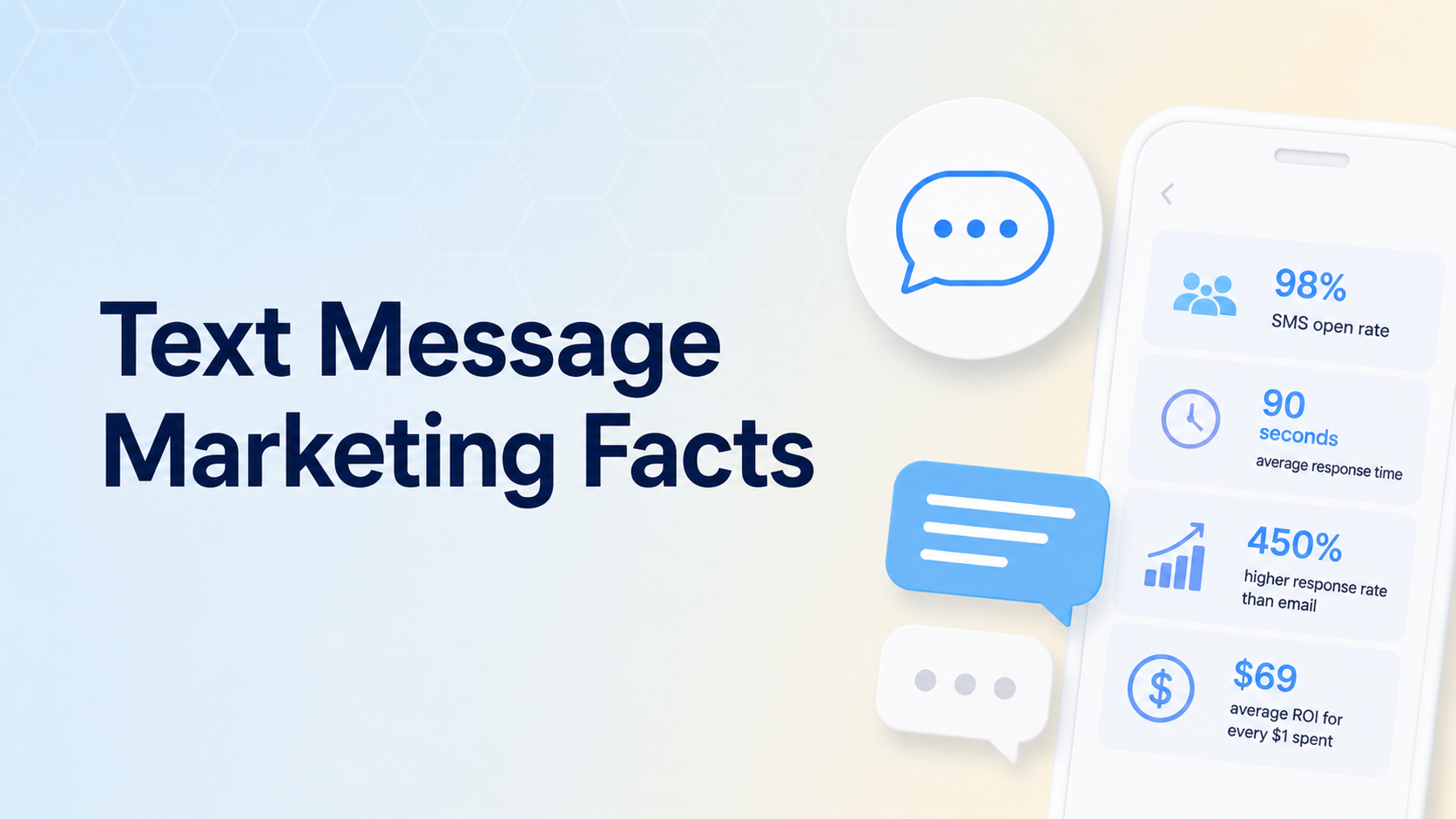
Most service businesses discover that SMS already delivers the effectiveness they need. 98% open rate within 3 minutes for appointment reminders works regardless of device type. The customer experience is consistent and predictable. When your goal is filling your schedule and reducing no-shows, device fragmentation adds complexity without improving results.
Cost-Benefit Analysis by Business Type
RCS costs more than SMS. Pricing varies by provider, but expect to pay 2-4x more per message compared to standard SMS rates. That premium only makes sense if RCS features deliver measurably better results for your specific business model.
Home services companies (HVAC, plumbing, electrical, pest control) typically see minimal benefit from RCS features. Your customers need fast response to urgent problems. They need confirmation their appointment is scheduled. They need reminders so they don't miss service windows. SMS handles all of this effectively, and rich media doesn't improve conversion for emergency service requests.
A plumber testing RCS for emergency calls found that customers actually responded slower to formatted messages with images and buttons. The simple text "We received your request. Tech arriving 2-3pm. Call 555-0123 with questions" outperformed elaborate RCS presentations by 23% in response time. When someone has no heat or a burst pipe, they want confirmation, not multimedia.
Healthcare practices face similar dynamics. Patient appointment reminders need reliability and universal delivery more than visual appeal. A dental office sending 500 appointment reminders monthly pays $50-75 for SMS delivery with guaranteed reach. The same volume via RCS costs $150-225 and reaches only Android patients with compatible carriers. You're spending 3x more to reach 60% of your patient base.
The math only works if RCS dramatically improves confirmation rates. Most dental practices see 35-40% no-show reduction from SMS reminders. RCS might push that to 38-42%, but the incremental improvement doesn't justify doubling or tripling your messaging costs.
Restaurants and hotels have stronger cases for RCS. Visual menus, reservation confirmations with location maps, and pre-arrival information with images add genuine value to guest experience. A hotel sending 200 pre-arrival messages monthly might spend $20 more on RCS but create better first impressions with room photos and amenity details.
But even hospitality businesses should test carefully. One restaurant chain tested RCS menu showcases versus simple SMS with menu links. The elaborate RCS presentation had 40% higher engagement (clicks, views) but booked 12% fewer reservations. Customers spent time looking at images but didn't take action. The simpler SMS drove more immediate conversions.
Professional services (accounting, legal, consulting) rarely benefit from RCS features. Client communication centers on scheduling, document delivery notifications, and payment reminders. Rich media adds no value to "Your tax return is ready for review" or "Invoice 1234 is due Friday." SMS effectiveness for these use cases depends on timing and message clarity, not visual presentation.
B2B companies with complex sales cycles might find RCS useful for product demonstrations or case study delivery. But implementation complexity usually outweighs benefits until you're operating at significant scale with dedicated marketing resources.
Implementation Timeline and Team Reality
SMS implementation takes one week. Sign up for a platform, import contacts, send your first campaign. RCS implementation takes 3-6 months minimum.
You need carrier approval and brand verification through Google. You need developers to implement RCS messaging APIs. You need designers to create message templates that work across different Android versions and screen sizes. You need separate testing protocols for RCS and SMS fallback experiences.
Most service businesses don't have this implementation capacity. You're running a business, not a development project. The team managing your marketing probably consists of 1-3 people handling everything from social media to customer follow-up. Adding 3-6 months of technical implementation for incremental improvement makes no sense.
Consider what you could accomplish with SMS in the time RCS implementation would take. Launch appointment reminder campaigns. Build review request sequences. Create re-engagement flows for past customers. Test seasonal promotions. All of these deliver measurable business results within weeks, not months.
The implementation gap matters more for smaller businesses. If you're sending 500-2,000 messages monthly, SMS delivers everything you need with minimal setup. You can focus on message strategy, timing, and personalization instead of fighting technical complexity.
Larger operations sending 10,000+ messages monthly might justify RCS investment, but only after maximizing SMS effectiveness first. Most businesses haven't optimized basic SMS campaigns. They're sending poorly timed messages with weak calls to action. Switching to RCS doesn't fix strategy problems.
When Each Channel Actually Wins
SMS dominates for time-sensitive, action-oriented communication. Appointment reminders, booking confirmations, emergency service dispatch, payment reminders, and schedule changes all perform better via SMS because they prioritize speed and clarity over presentation.
Your customers don't want to click through interactive buttons to confirm their HVAC service appointment. They want to read "Confirmed: Tech arriving tomorrow 2-4pm" and move on with their day. SMS delivers this efficiently across all devices with predictable formatting.
RCS can win for discovery and consideration-stage content. Product showcases, menu browsing, catalog exploration, and visual demonstrations benefit from rich media when customers are actively shopping. But most service businesses operate in the intent and booking stage, not the discovery stage.
Here's a practical breakdown by message type:
Appointment reminders: SMS wins. 98% open rate, universal delivery, no device compatibility concerns. Customers confirm or reschedule with simple text replies.
Booking confirmations: SMS wins. Customers want fast verification their request was received. Simple text confirmation beats visual presentation for anxiety reduction.
Emergency service dispatch: SMS wins decisively. Speed matters more than anything. Technician information, arrival time, and contact details work better as scannable text than formatted layouts.
Review requests: SMS wins. The message needs clarity and a direct link. Visual presentation doesn't increase review submission rates.
Promotional campaigns: Context-dependent. SMS works better for time-sensitive offers ("Today only: $50 off AC tune-up"). RCS might help for seasonal campaign launches with strong visual components, but only if your customer base skews heavily Android.
Menu or catalog updates: RCS can win for restaurants with image-focused presentations. But simple SMS with a link to your mobile menu often converts better because it loads faster and works on all devices.
Pre-arrival information: RCS can win for hotels. Room photos, amenity maps, and check-in details benefit from rich presentation. But you need high enough volume to justify implementation costs.
Most service businesses send 80-90% of messages in categories where SMS effectiveness equals or exceeds RCS. You're better off perfecting your SMS strategy than splitting focus across two channels.
Your Decision Framework
Start by answering these questions about your business:
What percentage of your customers use iPhones? If it's over 30%, RCS fragmentation creates significant operational complexity. You need SMS fallback for everything, which means you're designing twice for modest benefit.
What's your primary messaging goal? If you're focused on booking appointments, reducing no-shows, confirming service, or collecting payments, SMS already delivers optimal effectiveness. If you're building brand awareness or showcasing visual products, RCS might add value.
What's your monthly message volume? Under 5,000 messages, SMS makes more sense economically and operationally. Between 5,000-20,000, carefully evaluate whether RCS features would measurably improve your key metrics. Over 20,000, test RCS for specific high-value campaign types while maintaining SMS foundation.
Do you have technical implementation capacity? If your team is 1-3 people handling all marketing, stick with SMS. If you have developers and designers available for 3-6 month implementation projects, RCS becomes viable.
Have you maximized SMS effectiveness? Most businesses haven't. They're sending generic messages at poor times with weak calls to action. Fix your SMS strategy before adding channel complexity. Better message timing alone often improves results by 30-40%.
What do your SMS marketing benchmarks look like? If you're getting 95%+ open rates, 25-35% click rates, and strong conversion on key actions, your SMS campaigns are working. If those numbers are lower, you have an execution problem, not a channel problem.
For most service businesses, this analysis leads to the same conclusion. SMS delivers the effectiveness you need right now with minimal complexity. You can implement sophisticated automation, personalization, and segmentation within SMS before rich media features become relevant.
Industry-Specific Recommendations
Home services businesses should stick with SMS. Whether you're running SMS for plumbing services, pest control operations, or cleaning companies, your customers need fast, clear communication about service timing and technician arrival. RCS features add no value to these interactions.
Healthcare practices should prioritize universal delivery over visual features. Patient communication requires reliability above all else. SMS appointment reminders reduce no-shows consistently across all patient demographics and device types.
Hospitality businesses can explore RCS for hotel operations, particularly pre-arrival messaging and on-property guest communication. But start with SMS for reservations, waitlist management, and time-sensitive operational messages. Test RCS for specific high-touch experiences after your SMS foundation performs well.
Professional services should use SMS exclusively. Client communication about appointments, deadlines, payments, and document delivery works perfectly via text message. Rich media adds no value and increases the chance of important messages being missed due to device incompatibility.
B2B companies with long sales cycles might test RCS for product demonstrations sent to qualified leads. But keep core communication (meeting reminders, follow-up scheduling, contract signatures) on SMS for reliability.
Making the Switch (Or Not)
If this analysis points you toward SMS, you're making the right call for most service businesses. Focus on executing SMS effectively rather than chasing channel trends. Build text marketing for small business campaigns that actually drive bookings and reduce no-shows.
Start with appointment reminder automation. This single use case typically delivers 35-40% no-show reduction and pays for your entire messaging program. Add booking confirmation sequences, review request automation, and re-engagement campaigns for past customers. These core workflows generate measurable ROI within weeks.
If you decide RCS makes sense for your business, implement it as a supplement to SMS, not a replacement. Your iPhone customers still need reliable message delivery. Your Android customers need SMS fallback when RCS fails due to carrier issues or app compatibility. Design every campaign for SMS first, then layer RCS enhancements for customers who can receive them.
Test RCS with non-critical campaigns before moving appointment reminders or booking confirmations to the new channel. Run parallel campaigns measuring open rates, response rates, and conversion metrics. Let data guide your rollout instead of assuming rich features automatically improve performance.
Most service businesses discover that SMS effectiveness already exceeds their requirements. 98% open rates and 25-35% response rates solve real problems. Adding visual features doesn't make customers more likely to show up for appointments or book more jobs.
Ready to implement SMS marketing that actually drives business results? Start your free trial with Sakari and launch campaigns that fill your schedule within days, not months.